What to Do When You Inherit a Koi Pond
Inheriting a koi pond is an exciting, yet often overwhelming experience. What to Do When You Inherit a Koi Pond? These ponds offer a unique glimpse into a beautiful and serene aquatic world, but they also come with specific responsibilities. If you’ve recently inherited a koi pond, your first priority should be a professional cleaning. This will clear out waste, establish a baseline for water quality, and reveal any hidden issues. This guide will walk you through every aspect of inherited koi pond care, from evaluating the pond’s current state to creating a seasonal maintenance plan to ensure your pond thrives.
Assessing the Pond’s Condition: First Steps
Before diving into routine maintenance, it’s essential to assess your koi pond’s current condition. Understanding the pond’s health and setup will help guide your care approach, highlight any immediate needs, and prevent unexpected issues from arising later.
Inspecting the Pond’s Environment
Start by evaluating the pond’s surroundings. The placement and environment around your pond can significantly impact its health and ease of maintenance.
- Predators and Safety: Look for signs of local predators like birds, raccoons, or even neighbourhood cats. If necessary, install protective netting or low fencing to protect your koi.
- Falling Leaves and Debris: If there are trees or shrubs near the pond, regularly clear fallen leaves to prevent excess debris and algae growth. Consider adding a pond skimmer or leaf net to make this task easier.
- Safety Precautions: Ensure there are barriers to keep small children or pets safe if they can access the pond area. Barriers and pond covers can provide peace of mind while also keeping the pond undisturbed.
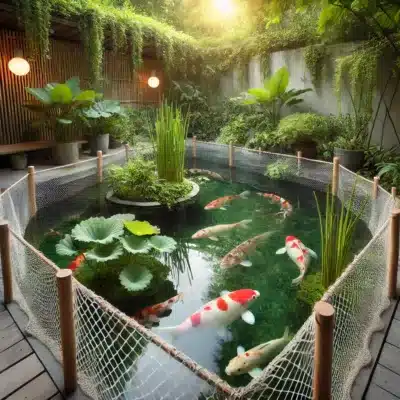 Well-Protected Koi Pond with Netting and Fencing[/caption]
Evaluating Water Quality
Water quality is one of the most critical aspects of pond health, especially for koi. Use a pond test kit to measure pH, ammonia, nitrite, nitrate, and oxygen levels. Regularly testing water quality helps maintain the ideal environment for your koi.
- pH Levels: The ideal pH for koi is between 7.0 and 8.0. If the water is too acidic or alkaline, it can stress the fish.
- Ammonia, Nitrite, and Nitrate Levels: Ammonia and nitrite should be as close to zero as possible, while nitrate levels should be low. High readings indicate excess waste, poor filtration, or overfeeding.
- Oxygen Levels: Koi require well-oxygenated water. Consider adding an aerator if the oxygen levels are consistently low, especially in warm weather when dissolved oxygen decreases naturally.
Related Link: Ammonia and Nitrite Management Guide
[caption id="attachment_3714" align="aligncenter" width="400"] Testing Pond Water Quality for Ideal Koi Conditions[/caption]
Identifying Invasive Species
Invasive species can disrupt the pond ecosystem by outcompeting native plants or harming koi. Common invasive plants include water hyacinth, parrot’s feather, and duckweed. These plants can grow rapidly, choking out beneficial species and reducing oxygen levels.
- Regular Inspections: Check the pond for unfamiliar plants and any invasive fish species, which could upset the pond’s natural balance.
- Removal and Prevention: Carefully remove any invasive plants, as these can easily re-root. Use natural barriers or additional netting to prevent seeds and spores from entering the pond.
Related Link: Best Plants for Koi Pond Guide
[caption id="attachment_3713" align="aligncenter" width="400"]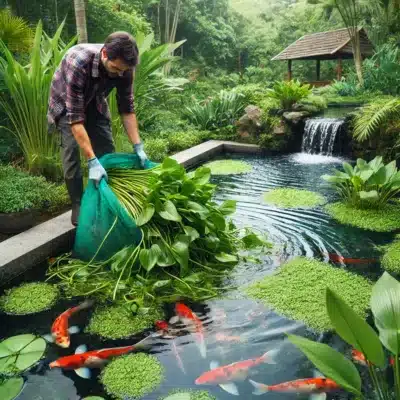 Removing Invasive Plants from a Koi Pond[/caption]
Checking Plant and Animal Health
Observe the plants and animals within the pond for signs of health. Healthy plants will have vibrant leaves and roots, while healthy koi should be active and show clear, bright colours.
- Signs of Stress in Koi: Watch for behavioural changes in koi, like lethargy or unusual swimming patterns. These can indicate water quality issues or underlying health problems.
- Plant Health: Healthy pond plants are essential for maintaining oxygen levels and providing shade. Check for discoloured leaves or unusual growth, which can signal water imbalances.
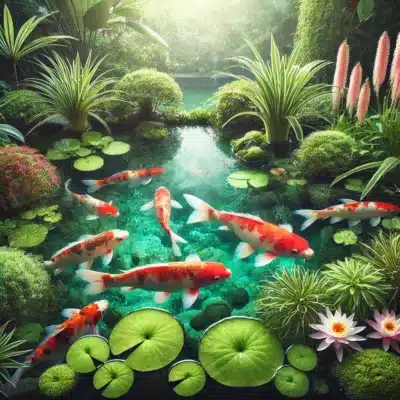 Healthy Koi Fish and Aquatic Plants in a Pond[/caption]
The Importance of a Professional Pond Cleaning
Hiring a professional pond cleaning service is one of the most critical steps when inheriting a koi pond. This initial deep cleaning goes beyond the typical surface maintenance, reaching layers of debris, sludge, and hidden contaminants that may have built up over time. By beginning with a professional clean, you’re not only resetting the pond’s ecosystem but also setting the foundation for healthy koi and a thriving pond environment in the long term.
Comprehensive Waste and Algae Removal
Over time, ponds accumulate organic waste, including fallen leaves, fish waste, and decaying plant material. This waste settles at the bottom, forming a layer of sludge that clouds the water, depletes oxygen levels, and becomes a breeding ground for harmful bacteria. Algae, particularly blanketweed, can also take over the pond, disrupting oxygen levels and blocking sunlight. A professional cleaning service uses specialised equipment to thoroughly remove sludge and algae, restoring water clarity and improving the overall health of the ecosystem.
Professional cleaners also have the expertise to handle delicate parts of the pond, such as the areas around plants or in zones where koi tend to hide. They use gentle but effective tools to ensure thorough cleaning without disturbing the pond’s natural balance.
Identifying and Resolving Underlying Issues
Inheriting a koi pond means you might not be fully aware of its condition, hidden issues, or neglected areas. A professional cleaning service not only clears out debris but also conducts a thorough assessment of the pond’s infrastructure and equipment. This inspection may reveal:
- Leaks or Cracks: Small leaks in the liner or structure can lead to significant water loss over time, which stresses both the fish and plants. Professionals can spot these early and recommend repairs to prevent long-term damage.
- Equipment Malfunctions: Pumps, filters, and aerators are essential for maintaining water quality, but they can become clogged or damaged over time. Professionals check each component to ensure it’s functioning optimally, replacing or repairing parts as needed.
- Algae and Bacteria Imbalances: Overgrown algae and harmful bacteria can upset the ecosystem. A professional can identify the specific algae type or bacterial imbalance, tailoring treatments to address these without harming koi or plants.
By resolving these underlying issues, professional cleaning not only restores but stabilises the pond’s ecosystem, allowing you to manage it more effectively moving forward.
Long-Term Maintenance Benefits
Starting with a professionally cleaned pond makes ongoing maintenance significantly easier. By removing built-up waste, sludge, and algae, you’re ensuring that future cleanings are more manageable and less time-consuming. Here’s how this initial clean-up benefits long-term care:
- Enhanced Water Quality: With waste and contaminants removed, water quality improves drastically. Clearer water is easier to monitor, making it simpler to spot and resolve issues like algae blooms or nutrient imbalances early on.
- Healthier Fish and Plants: Koi and aquatic plants thrive in a clean environment with balanced water chemistry. A professional cleaning gives koi access to a healthier, oxygen-rich habitat, which reduces stress, supports growth, and promotes vibrant colours.
- Reduced Algae and Debris Accumulation: Regular maintenance following a deep clean helps control algae and waste buildup. With a clear starting point, even minor maintenance tasks, such as skimming the surface or monitoring equipment, become more effective in keeping the pond pristine.
Professional Expertise and Tailored Advice
A professional cleaning service also offers you valuable insights into best practices for pond care, tailored to the unique characteristics of your inherited pond. Professionals can recommend:
- Optimal Equipment Settings: They may suggest specific settings for your pump and filtration system to enhance efficiency and prevent wear.
- Water Quality Monitoring Techniques: Advice on testing pH, ammonia, and nitrite levels helps you maintain an ideal environment for koi.
- Seasonal Care Recommendations: Professionals can advise on adjustments to cleaning frequency, plant care, and koi feeding based on seasonal changes, ensuring the pond remains balanced year-round.
Related Link: Pond Cleaning Services
[caption id="attachment_3717" align="aligncenter" width="400"]
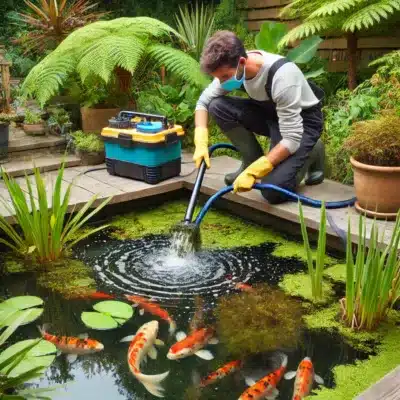 Professional Pond Cleaning to Revitalise Inherited Koi Pond[/caption]
Essential Equipment in Koi Pond Maintenance
Maintaining a koi pond isn’t just about keeping the water clean; it’s about creating an environment that mimics a natural ecosystem, where water quality, circulation, and oxygenation are consistently balanced. This requires a range of specialised equipment working together to create an optimal habitat for koi. Understanding how each piece functions, and how to maintain it, will make a significant difference in your pond’s health and appearance.
Key Equipment Checklist
Each piece of equipment plays a crucial role in sustaining the pond’s ecosystem, from promoting water circulation to managing waste and algae growth. Here’s a closer look at each essential component:
- Pond Pump
The pump is the heart of the pond’s circulation system. It continuously moves water, preventing stagnation and promoting the even distribution of oxygen throughout the pond. Without proper circulation, the pond can develop “dead zones” where oxygen levels drop, which stresses fish and encourages algae growth. Pumps come in various capacities, typically measured in gallons per hour (GPH). When selecting a pump, ensure it’s powerful enough to cycle all the water in the pond at least once every hour. For larger ponds or ponds with high fish loads, a high-capacity pump may be needed to maintain proper flow.Maintenance Tip: Check the pump intake for debris regularly to prevent clogs. Every few months, disassemble the pump to clean the impeller and casing, ensuring it operates smoothly. - Filtration System
Filtration is essential for removing debris, excess nutrients, and waste products from the water. Koi ponds generally rely on a combination of biological and mechanical filtration:- Mechanical Filtration: This component captures physical debris like leaves, uneaten food, and sludge. It’s often the first stage of filtration, preventing larger particles from clogging the biological filter.
- Biological Filtration: In this stage, beneficial bacteria break down harmful ammonia and nitrites into less toxic nitrates, a process called nitrification. Biological filters provide a large surface area for these bacteria to colonise, which is crucial for maintaining water quality in a koi pond.
Related Link: Evolution Aqua Nexus Filter Guide
Maintenance Tip: Clean the mechanical filter pads regularly, especially in the warmer months when debris accumulation is high. However, avoid scrubbing the biological filter media, as this can kill beneficial bacteria. Rinsing it gently in pond water during routine maintenance is usually sufficient.
- UV Clarifier
Algae control is a constant battle in koi ponds, especially during the warmer months. A UV clarifier is an effective, chemical-free way to manage algae growth. It uses ultraviolet light to kill algae cells as water flows through the unit, preventing green, murky water. UV clarifiers don’t eliminate algae entirely, but they reduce the population enough to keep the water clear and more visually appealing.Maintenance Tip: Clean the UV bulb and quartz sleeve regularly to ensure maximum effectiveness. Replace the bulb annually, as its effectiveness diminishes over time even if it’s still emitting light. - Skimmer and Aerator
- Skimmer: Positioned along the pond’s surface, a skimmer collects floating debris like leaves and twigs before they sink to the bottom. This helps maintain water quality and reduces the organic load that can lead to sludge build-up.
- Aerator: Aerators, such as air stones or fountains, introduce additional oxygen into the pond. Oxygen is essential for both fish and beneficial bacteria, especially during warm weather when oxygen levels naturally decrease. Proper aeration also supports koi health by preventing anaerobic zones, which can foster harmful bacteria.
Maintenance Tip: Empty the skimmer basket regularly, especially in autumn when leaf fall is at its peak. For aerators, check that the air stones are free of debris and replace them periodically to maintain consistent oxygen levels.
- Pond Pump
Additional Equipment for Enhanced Pond Care
While the core components mentioned above are essential, there are additional tools and accessories that can help keep your pond in top condition:
- Pond Heater
If you live in an area with cold winters, a pond heater helps maintain an ice-free zone on the pond’s surface. This ensures gas exchange, preventing harmful gases from building up under the ice, which could harm fish. - Automatic Fish Feeder
Feeding koi consistently is important, especially if you’re not always around. Automatic feeders can be set to dispense food at regular intervals, ensuring your koi receive a steady supply of nutrients without overfeeding. - Water Testing Kit
Regularly testing your pond’s water parameters is essential for koi health. A comprehensive kit will allow you to measure pH, ammonia, nitrite, and nitrate levels, enabling you to make adjustments before problems arise.
Regular Equipment Maintenance: A Key to Pond Health
Ensuring that each piece of equipment is functioning efficiently can prevent costly repairs and prolong the lifespan of your pond’s ecosystem. Here are some maintenance practices for your koi pond equipment:
- Pumps and Filters: Every few months, inspect the pump and filter units. Clean out any debris or sludge from the pump intake, and check that the impeller moves freely. For filters, rinse mechanical pads regularly but avoid cleaning biological media with tap water, as it may kill beneficial bacteria.
- UV Clarifier: To maintain algae control, clean the UV clarifier bulb and sleeve every couple of months, as mineral deposits can build up, reducing UV penetration. Replace the UV bulb annually, as its effectiveness diminishes with time.
- Skimmer and Aerator: The skimmer basket needs regular emptying, especially if your pond is close to trees. Aerators should be checked periodically to ensure they are producing enough oxygen for the pond’s needs.
- Seasonal Adjustments: Certain equipment, like aerators and heaters, may need adjustments or additional maintenance based on seasonal needs. During colder months, consider reducing pump flow or switching off certain features to prevent water from cooling too rapidly.
By keeping equipment well-maintained, you’ll help sustain a healthy environment for your koi, ensuring clean, oxygen-rich water that supports their health, growth, and vibrant colours.
By understanding and maintaining your koi pond equipment, you’ll foster a balanced ecosystem that supports koi health, reduces maintenance efforts, and enhances the overall beauty of the pond.
[caption id="attachment_610" align="aligncenter" width="400"]
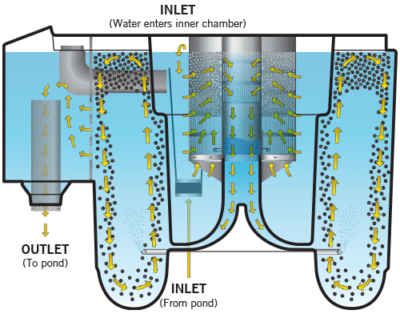 Evolution Aqua Nexus Internal Diagram[/caption]
Creating a Long-Term Maintenance Plan
Setting up a structured, long-term maintenance plan is essential for ensuring a healthy and vibrant koi pond. Consistent maintenance routines not only keep water quality high but also support koi health and maintain the aesthetic appeal of your pond. A well-organised plan divides tasks into manageable weekly, monthly, and seasonal routines, making it easier to stay on top of pond care without feeling overwhelmed.
Weekly, Monthly, and Seasonal Tasks: Building a Routine
Dividing maintenance tasks into weekly, monthly, and seasonal schedules ensures that no aspect of pond care is overlooked. Each level of frequency serves a specific purpose in keeping your pond in optimal condition.
Weekly Maintenance:
- Skim Surface Debris: Regularly skimming the pond’s surface removes leaves, twigs, and other debris before they sink and contribute to sludge buildup. This simple action prevents excess nutrients from accumulating and feeding algae growth.
- Check Water Levels: Maintain consistent water levels, especially during warm weather when evaporation is higher. Adding water occasionally may be necessary, but ensure it’s dechlorinated or conditioned to avoid disrupting the pond’s chemical balance.
- Test Water Quality: Testing the water for pH, ammonia, nitrite, and nitrate levels is crucial. Weekly tests allow you to detect any imbalances early, making it easier to take corrective action before issues affect koi health. For optimal koi health, aim to keep ammonia and nitrite levels at zero, nitrate levels below 20 ppm, and pH between 7.0 and 8.5.
Tip: Keep a logbook to track water test results, noting any patterns or seasonal shifts in water chemistry. This record will help guide adjustments in maintenance routines.
Monthly Maintenance:
- Clean the Skimmer: The skimmer basket traps leaves and large debris, preventing them from decaying in the pond. Cleaning it monthly ensures it functions effectively and reduces sludge accumulation.
- Remove Sediment from the Pond Floor: Use a pond vacuum to remove settled sediment on the pond floor. While a little organic matter is beneficial, excessive buildup can lead to poor water quality, nutrient overload, and harmful gas release.
- Prune Pond Plants: Overgrown plants can block sunlight, restrict oxygen exchange, and release excess nutrients as they decay. Pruning plants maintains a balanced ecosystem by preventing algae blooms and supporting a healthy pond environment.
Seasonal Tasks: Adapting maintenance tasks to the changing seasons is key to supporting koi health and adjusting for temperature and environmental changes.
- Spring Preparation: As temperatures warm, koi become more active, and plants begin growing. Clear any debris left from winter, remove dead plant matter, and test water quality to ensure it’s safe for fish. This is also the time to start feeding koi, as their metabolism increases with rising temperatures. Plant inspections are also essential, and you may consider adding new plants to improve shade and oxygenation.
- Summer Care: Warmer temperatures require diligent monitoring of oxygen levels and water temperature. Use aerators or fountains to boost oxygen levels, as hot weather decreases water’s oxygen-carrying capacity. Also, be vigilant about algae growth, as increased sunlight and warmth encourage algae blooms. Regularly check water temperature and add shade through plants or shading structures to prevent heat stress in koi.
- Autumn Preparation for Winter: As leaves fall, regularly clear them from the pond to reduce organic buildup. Prune back any excessive plant growth, particularly plants that will decay over winter, to prevent nutrient overload. This is also the ideal time to switch to wheatgerm-based koi food, which is easier for koi to digest in cooler water temperatures. Ensure that equipment, especially aerators and filters, is in good working order to support the pond over winter.
- Winter Dormancy: In cold climates, prevent the pond from freezing completely by using a pond heater or floating device to keep a small area ice-free. This opening allows harmful gases to escape and ensures oxygen remains available for fish. Reduce or stop feeding koi as their metabolism slows in winter, and they enter a dormant state. Avoid major cleaning or disruptions during winter, as many pond inhabitants, including koi, are in a state of low activity or hibernation.
Related Link: Pond Care Guide: Seasonal
[caption id="attachment_3718" align="aligncenter" width="400"]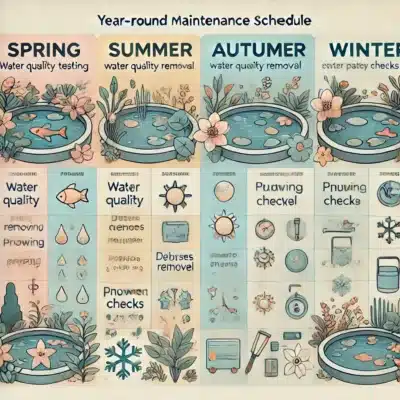 Year-Round Koi Pond Maintenance Schedule[/caption]
Enhancing Water Quality for a Healthy Pond
Water quality is one of the most critical aspects of koi pond maintenance. Clean, balanced water provides a healthy environment for koi to thrive, supports beneficial bacteria, and helps prevent the growth of algae and harmful pathogens. Regular testing and adjustments are essential to keep your pond's ecosystem balanced and avoid water conditions that can stress or harm your koi. A proactive approach to water management ensures that koi live in an environment that supports their health, growth, and vibrancy.
Key Water Quality Factors
Each water quality parameter plays a unique role in creating a stable environment for koi. Understanding and managing these factors helps prevent common water issues and promotes a balanced pond ecosystem.
1. pH Stability:
The pH level of your koi pond should ideally be between 7.0 and 8.0. This range provides a comfortable environment for koi, who can be sensitive to fluctuations outside these values.
- Consistent pH Monitoring: Frequent pH testing helps detect any sudden changes that could stress the fish. Minor fluctuations are natural due to factors like rainfall or evaporation, but significant shifts should be addressed promptly.
- Adjusting pH Levels: If the pH is too low (acidic), add buffering agents such as baking soda or specific pH stabilisers designed for ponds. For high pH (alkaline) levels, use products formulated to safely lower the pH without causing shock to the fish.
- Prioritising Stability Over Perfection: Koi adapt well within the 7.0–8.0 range, so maintaining stability is more crucial than aiming for a specific number. Rapid pH swings are particularly stressful and can impact fish immune systems, so aim for gradual adjustments if needed.
2. Nitrogen Cycle Management:
The nitrogen cycle is essential for transforming harmful fish waste and organic matter into less toxic compounds, supporting a stable pond ecosystem. Ammonia, nitrite, and nitrate are key indicators of nitrogen cycle health.
- Ammonia: Produced by koi waste and decaying matter, ammonia is toxic to fish even at low levels. Regular testing is crucial, especially after feeding or adding new fish, as ammonia levels can spike during these times.
- Nitrite: As beneficial bacteria convert ammonia, it becomes nitrite, which is also harmful to koi. Levels should always be close to zero, indicating the nitrogen cycle is functioning properly.
- Nitrate: The final stage of the nitrogen cycle, nitrate is less harmful but can encourage algae growth in excess. Aim to keep nitrate levels below 20 ppm (parts per million).
- Supporting the Cycle with Beneficial Bacteria: Beneficial bacteria are critical for breaking down ammonia and nitrite. Add bacterial supplements to the pond filter or directly into the water, especially during the start of the season or after cleaning to re-establish colonies.
- Partial Water Changes: If ammonia or nitrite levels rise, perform partial water changes (10-20%) to dilute toxins without disturbing the pond’s balance. Ensure new water is treated with a dechlorinator before adding it to the pond.
3. Oxygen Levels:
Adequate oxygen is vital for koi health and supports beneficial bacteria responsible for water purification. Oxygen levels can fluctuate with temperature and plant growth, so maintaining proper aeration is essential.
- Aeration Techniques: Adding aeration devices, like a pond fountain, waterfall, or bubbler, boosts oxygen levels by increasing water circulation and surface agitation. These methods enhance gas exchange, bringing oxygen into the water and expelling harmful gases like carbon dioxide.
- The Role of Oxygenating Plants: Underwater plants like hornwort and elodea release oxygen during the day, aiding in maintaining levels. However, overgrowth of plants can consume oxygen at night, so regular pruning is necessary.
- Seasonal Considerations: Warm water holds less oxygen, making aeration particularly important during summer. In winter, an ice-free area can help maintain oxygenation by preventing complete coverage, which limits gas exchange.
By focusing on water quality factors like pH stability, nitrogen cycle management, and oxygen levels—and supplementing these efforts with proper filtration and plant choices—you can create a sustainable, balanced pond environment that promotes koi health and reduces maintenance efforts over time.
[caption id="attachment_3719" align="aligncenter" width="400"]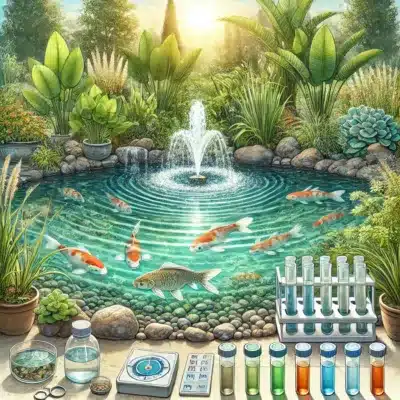 Maintaining Ideal Water Quality in a Koi Pond[/caption]
Koi Health and Feeding Guidelines
Maintaining the health of your koi requires a combination of proper feeding, keen observation, and a balanced, clean pond environment. By understanding koi dietary needs, recognising signs of illness early, and adjusting care according to seasonal changes, you can provide a stable environment where your koi thrive. Regularly monitoring koi health and their habitat ensures they remain vibrant and active throughout the year.
Seasonal Feeding Guide
Koi are cold-blooded, meaning their metabolism changes with water temperature. Adjusting their diet and feeding schedule with the seasons is crucial for digestion and health. Feeding koi appropriately during different temperatures reduces waste, prevents illness, and promotes growth and vibrant colours.
- Above 70°F (21°C): During warmer months, koi have higher metabolic rates and require more frequent feedings.
- Feeding Frequency: Offer food 3-4 times daily.
- Food Type: Use high-protein pellets, which support growth and energy levels. Choose feeds specifically formulated for summer months with a balance of protein, fats, and essential nutrients.
- Tip: Feed only as much as they can consume in a few minutes to avoid leftover food, which can lead to poor water quality.
- 50-65°F (10-18°C): In cooler temperatures, koi digestion slows, and they require less food.
- Feeding Frequency: Reduce to once or twice daily.
- Food Type: Opt for wheat-germ-based food, which is easier for koi to digest in cooler weather. Wheat germ also supports their immune system, preparing them for colder months.
- Tip: Monitor food intake; if koi are sluggish, reduce the amount further to avoid excess waste.
- Below 50°F (10°C): Koi enter a dormant phase in cold water and do not require feeding.
- Feeding Frequency: Stop feeding entirely.
- Reasoning: Koi digestion virtually halts below 50°F. Feeding them during this time can lead to undigested food in their systems, causing health issues.
- Tip: Ensure a clean pond before winter to minimise waste and organic material, reducing strain on koi while they are less active.
Related Link: What to Feed Koi in Winter
[caption id="attachment_3712" align="aligncenter" width="400"]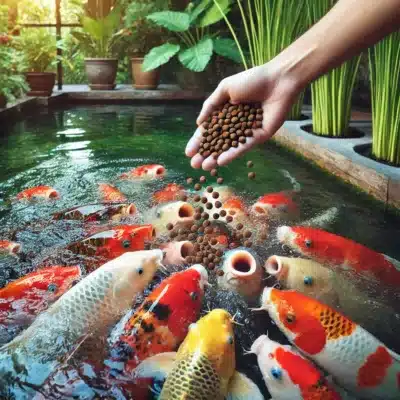 Feeding Koi Fish with Seasonal Pellets[/caption]
Spotting and Treating Common Koi Health Issues
Early detection of health issues in koi is vital for preventing illnesses from spreading or becoming severe. Regular observation of your koi, combined with proactive water quality management, allows for early intervention when symptoms arise. Many common koi health issues stem from environmental stressors, such as poor water quality or fluctuating temperatures.
- Lethargy or Loss of Appetite: Often an indicator of environmental stress or poor water quality.
- Action: Check water parameters, particularly ammonia, nitrite, and pH levels. Ensure that oxygen levels are stable, especially in warmer months when oxygen can be depleted more rapidly.
- Potential Causes: Elevated ammonia or nitrite levels, extreme temperatures, or lack of oxygen can contribute to koi sluggishness.
- Treatment: Address the root cause by stabilising water conditions. If symptoms persist, consult a pond specialist for further guidance.
- White Spots or Red Streaks: Can indicate parasitic infections, bacterial infections, or physical injuries.
- Parasitic Infection: If small white spots (resembling grains of salt) appear, it may indicate Ich, a common parasitic infection.
- Treatment: Use a koi-safe anti-parasitic treatment and monitor closely. Improving water quality and boosting immunity with wheat germ can aid in recovery.
- Bacterial Infection: Red streaks or sores often indicate a bacterial infection.
- Treatment: Use antibacterial treatments specifically for koi and isolate affected fish if necessary to prevent spreading.
- Parasitic Infection: If small white spots (resembling grains of salt) appear, it may indicate Ich, a common parasitic infection.
- Gasping for Air at the Surface: Indicates low oxygen levels in the pond, which can occur in high temperatures or stagnant water.
- Action: Increase aeration immediately using a fountain, bubbler, or additional aerator. Reducing algae growth and trimming plants can also improve oxygen levels.
- Tip: During summer, keep an eye on water temperature and avoid overcrowding, as more fish require higher oxygen levels.
- Swollen or Protruding Scales (Dropsy): Dropsy is a more severe condition that often stems from internal infections or kidney failure.
- Symptoms: Fish may appear bloated, with scales protruding from the body.
- Treatment: Isolate affected fish in a quarantine tank with clean water and seek guidance from a veterinarian or koi specialist for possible antibiotics.
Related Link: Elevating Koi Well-Being Guide
Providing a Healthy Environment
To prevent common health issues, focus on creating an environment that supports koi well-being year-round. Consistent water quality management, balanced diet, and sufficient oxygen levels are crucial in avoiding stressors that lead to illness.
- Water Quality Monitoring: Regularly test for pH, ammonia, nitrite, nitrate, and oxygen levels. Each parameter has a direct impact on koi health.
- Filtration and Aeration: Effective filtration removes waste and reduces harmful compounds, while aeration maintains stable oxygen levels, especially during warm months.
- Stress Reduction: Avoid sudden changes in water parameters, temperature, or habitat structure. Koi are sensitive to stress, and a stable environment minimizes health risks.
By following these guidelines and staying vigilant for early symptoms, you can effectively manage koi health and maintain a vibrant, balanced pond ecosystem.
[caption id="attachment_3720" align="aligncenter" width="400"]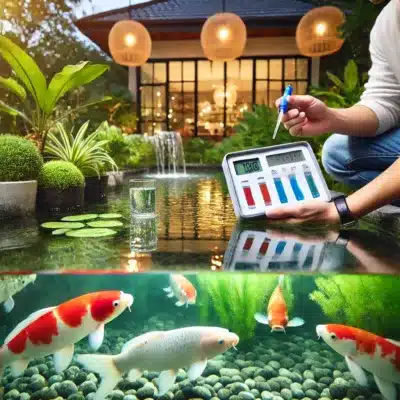 Monitoring Koi Health and Water Quality[/caption]
The Importance of Aquatic Plants and Landscaping
Aquatic plants and thoughtful landscaping are fundamental in maintaining a healthy, balanced koi pond ecosystem. Beyond their visual appeal, plants play critical roles in oxygenation, nutrient control, and creating safe habitats for koi. Proper plant selection and management contribute to stabilising water quality, reducing algae growth, and promoting biodiversity.
Choosing the Right Plants for Your Koi Pond
Selecting the right combination of aquatic plants is essential to support various ecological functions in your pond. Each type of plant—submerged, floating, and marginal—serves a specific purpose and, together, creates a self-sustaining environment.
- Submerged Plants: These plants grow entirely underwater and release oxygen directly into the water, helping maintain oxygen levels, especially during daylight hours. Submerged plants like hornwort and anacharis are excellent choices because they also absorb nutrients that would otherwise promote algae growth.
- Benefits: Oxygenate the pond, provide hiding spots for koi, and absorb nutrients to limit algae proliferation.
- Tip: Plant submerged species strategically around the pond, allowing koi to use them for shelter and encouraging natural water filtration.
- Floating Plants: Floating plants, such as water lettuce and water hyacinth, rest on the pond's surface and offer shade, which helps control water temperature and reduces sunlight exposure. This shading effect discourages excessive algae growth.
- Benefits: Shade the pond, lower water temperature, reduce algae growth, and absorb excess nutrients.
- Tip: Aim to cover about 50% of the pond’s surface with floating plants to strike a balance between sunlight and shade for a healthy pond ecosystem.
- Marginal Plants: Planted around the edges, marginal plants like water iris, cattails, and marsh marigolds create natural borders and habitats for a variety of pond-dwelling insects and amphibians.
- Benefits: Support biodiversity by providing habitat for insects and amphibians, stabilise pond edges to reduce soil erosion, and add aesthetic appeal.
- Tip: Use marginal plants to create layers around the pond, providing visual depth and natural beauty while supporting pond life.
Related Link: Best Plants for Koi Ponds Guide
[caption id="attachment_3721" align="aligncenter" width="400"]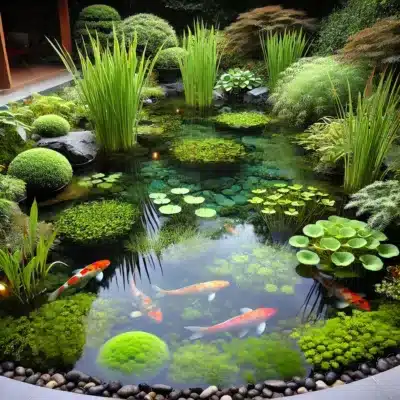 Balancing Aquatic Plants in a Koi Pond[/caption]
Managing Overgrowth and Maintaining Plant Balance
While plants are essential to a koi pond, it’s important to prevent overgrowth, which can create an oxygen imbalance and contribute to excess organic waste. Too many plants can reduce oxygen levels at night when they respire, consuming oxygen rather than producing it. This can lead to stress on your koi and other pond life, particularly during warmer months when oxygen levels naturally decrease.
- Pruning and Thinning: Regularly trim submerged and floating plants to prevent them from taking over the pond’s surface and reducing open water for koi. Trimming back plants encourages new growth and prevents decaying matter from accumulating in the pond, which can cause nutrient spikes and fuel algae growth.
- Submerged Plants: Trim back hornwort, elodea, and other submerged plants to avoid overcrowding and to ensure adequate oxygen levels.
- Floating Plants: Floating species like water lettuce can grow rapidly, so thin them out frequently to maintain a balanced coverage. Aim to cover around 40-50% of the pond’s surface.
- Marginal Plants: Prune back marginal plants like cattails and water irises to keep edges clear and prevent roots from encroaching too far into the pond.
- Balancing Nutrient Levels: Plants absorb nutrients from the water, helping control algae, but too many plants can disrupt this balance by contributing to debris as they decay. Skim dead leaves and flowers regularly to reduce nutrient buildup and maintain water clarity.
- Tip: Regularly remove any fallen leaves or decaying plant material from the pond, as these can contribute to increased ammonia and nitrate levels, which may harm fish.
Creating a Layered Landscape for Aesthetic and Environmental Benefits
Layering plants around the pond’s edge and within its shallower areas creates a natural, visually appealing design while benefiting the ecosystem. Tall marginal plants at the back, medium-height plants in the middle, and low-growing or submerged plants in the foreground create depth and a more immersive environment for koi.
- Visual Appeal: Layering different heights of plants around the pond creates a natural border that frames the pond beautifully, enhancing the landscape’s overall look.
- Enhanced Habitat: Dense, layered vegetation offers diverse habitats for insects, amphibians, and small birds, contributing to a thriving pond ecosystem.
- Improved Water Quality: Plants absorb excess nutrients and support beneficial bacteria on their roots, helping to filter the water and maintaining a balanced ecosystem.
By carefully selecting, placing, and maintaining a mix of submerged, floating, and marginal plants, you can create a beautiful, healthy pond environment that supports your koi and contributes to the pond’s overall ecological stability.
Final Thoughts: Creating a Lasting Legacy with Your Inherited Koi Pond
Inheriting a koi pond is a wonderful opportunity, but it requires commitment. With a professional clean to start, a structured maintenance plan, and ongoing care, you can keep your koi pond healthy and beautiful for years. Each aspect, from water quality to plant management, contributes to a thriving aquatic environment. Embrace this responsibility, and you’ll create a serene, captivating space that can be enjoyed by both you and your koi.
For personalised guidance and assistance, contact That Pond Guy to discuss our tailored maintenance packages and expert services.
Matthew Adlington


Comments
Post a Comment